

Cosmetology has deep roots that stretch across thousands of years and cultures. We use the word today to describe professional care for hair, skin, and nails. But the ideas behind beauty work began long before modern salons or beauty classrooms existed. Understanding the history of cosmetology helps you see how far the industry has come and why it continues to offer strong career paths in Illinois, Indiana, and Wisconsin.
How Did Cosmetology Start? Earliest Beauty Practices Around the World
When reviewing cosmetology history, we find that beauty practices go back to some of the world’s oldest civilizations. Ancient Egyptians used early hair coloring, protective wigs, scented oils, and kohl eyeliner. These were more than trends. They were part of daily life and self‑expression.
Ancient Greece and Rome developed new approaches to grooming. Natural pigments added color to cheeks and lips. Early manicure tools shaped nails. Public bath houses encouraged skincare rituals that influenced future beauty routines.
In Asia, herbal skincare became a cornerstone of beauty culture in China and Japan. Some early concepts related to perms and hair straightening appeared centuries later. These ideas shaped techniques used in today’s salons.
Cosmetology did not begin in one place or with one person. Instead, different cultures contributed their own ideas, tools, and methods.
When Was Cosmetology Invented? A Look at Its Evolution
There is no exact moment when cosmetology was invented. Instead, the field grew slowly as people shared techniques across regions and generations. By the 19th and early 20th centuries, beauty training became more formal.


As beauty salons appeared and the demand for skilled workers increased, states and cities began to create rules for training. The word “cosmetology” became more common in the early 1900s when organized schools and licensing standards started to take shape.
This period laid the foundation for today’s structured cosmetology programs. It also helped create safer, more consistent services for clients.
Beauty Innovators Who Shaped Modern Cosmetology
Many individuals helped guide the development of modern cosmetology and influenced how the field evolved. Key contributors include:
- Madame C.J. Walker – Created groundbreaking haircare products and became a successful business owner who supported generations of hairstylists and beauty entrepreneurs.
- Marcel Grateau – Introduced the Marcel wave, which influenced permanent waving and other texture services still used today.
- Annie Turnbo Malone – A major innovator in Black haircare and founder of Poro College, one of the first large beauty training programs in the United States.
- Charles Nessler – Invented the first practical permanent wave machine, transforming early texture services around the world.
- Max Factor – Developed makeup techniques and products that changed film cosmetics and everyday beauty routines.
- Helena Rubinstein – Advanced scientific skincare and helped shape structured skincare systems.
- Elizabeth Arden – Introduced the idea of coordinated skincare, makeup, and wellness routines through her salon and spa concepts.
- Vidal Sassoon – Modernized haircutting with geometric, wash‑and‑wear styles that influenced global beauty trends.
Around the world, these and many other inventors, chemists, and beauty professionals made contributions in skincare, hair chemistry, and nail care. No single person invented cosmetology, but many innovators shaped the field and helped it grow into the profession we know today.
The Growth of Cosmetology Education in the United States
In the early 20th century, beauty schools began to appear across the country. By the 1920s through the 1950s, the industry expanded quickly. State regulations were created to protect clients and define training expectations.
These changes helped raise the standards of the profession. Students gained access to structured instruction, salon practice, and licensing exams.
Today, schools like Tricoci University of Beauty Culture continue this tradition by offering student‑centered programs that prepare graduates for modern salon careers in Illinois, Indiana, and Wisconsin. Tricoci University offers a comprehensive cosmetology curriculum that prepares students for state licensing and salon careers. You can learn more through the cosmetology program on our website.
Tricoci University has multiple locations across Illinois, Indiana, and Wisconsin. Find the campus location nearest you to get started on a rewarding beauty career!
Cosmetology Today: Technology, Trends & Professional Standards
Modern cosmetology blends creativity with science. Advances in hair color chemistry allow for more precise results. Texture services have improved with safer and more customizable formulas.
Skincare has expanded with new tools and advanced ingredients. Nail technology continues to grow with long‑lasting enhancements and improved sanitation.
Students in Illinois, Indiana, and Wisconsin learn core techniques along with safety practices that prepare them for their state board exams. Training builds on centuries of beauty evolution while preparing you to meet today’s client expectations.
Why This History Matters for Future Cosmetologists

Learning where cosmetology began helps you understand your craft. The industry has changed over thousands of years, and it continues to evolve. Trends, tools, and techniques grow each decade. That is why ongoing education matters.
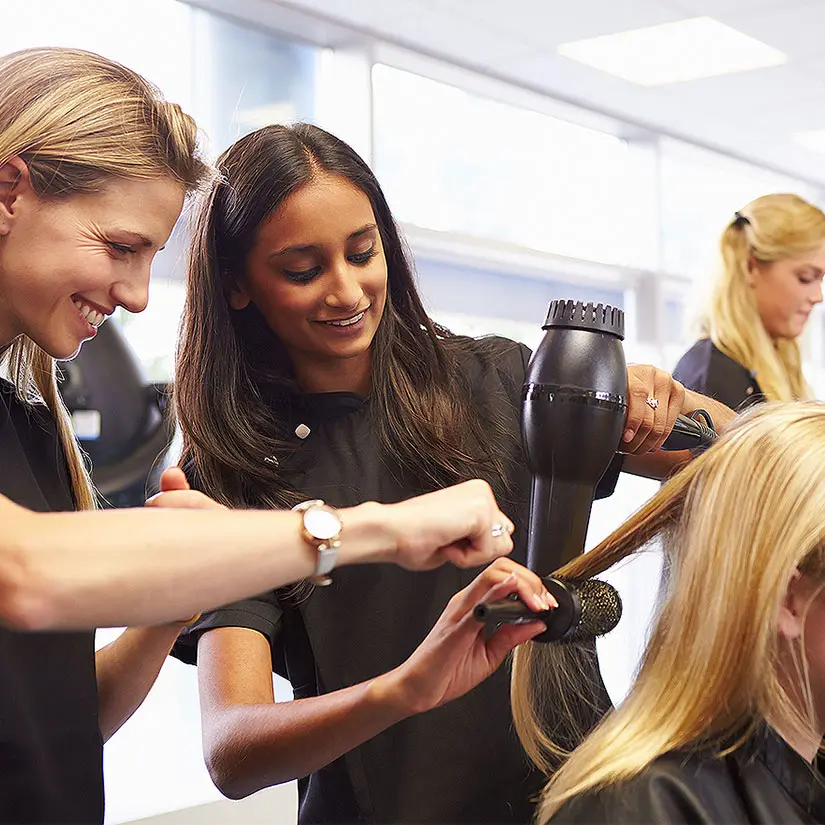
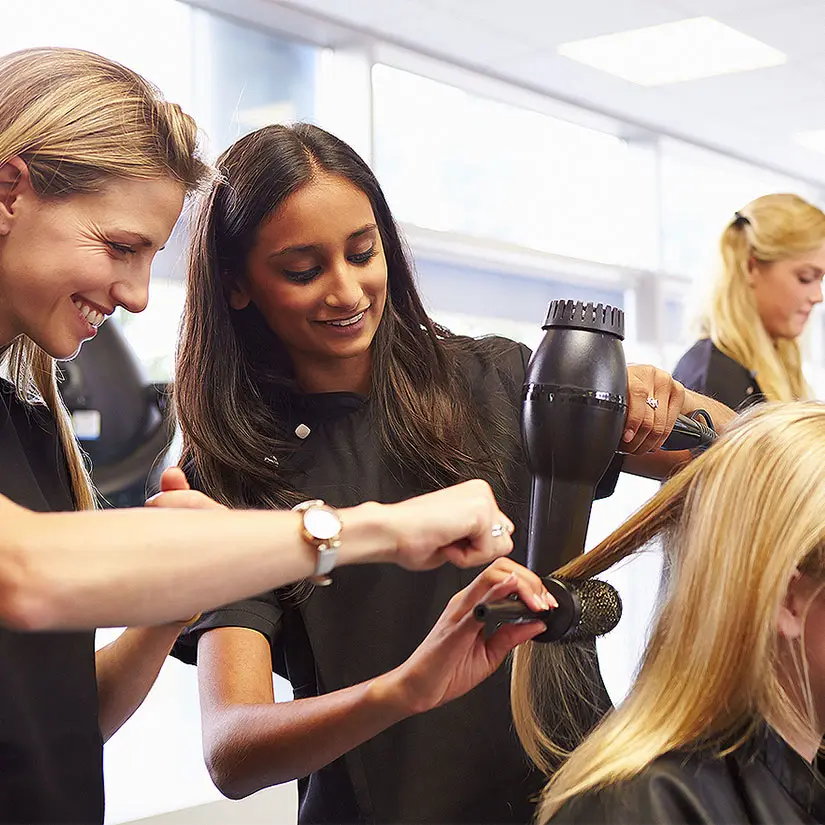
At Tricoci University, students receive hands‑on training, classroom instruction, and real practice through supervised student salon experiences. This blend of learning supports skill growth and career confidence.
Start Your Journey in Modern Cosmetology
If you are inspired by the long history of beauty work and ready to start your own chapter, we invite you to learn more. Explore cosmetology or esthetics programs, connect with admissions, or schedule a campus visit.
Learn more about our beauty school programs, our admissions process, and scholarship opportunities. Explore your future beauty career today.